Light Seen
Thirteen passes, one to each Moon: light as it is sent, turned, split and read.
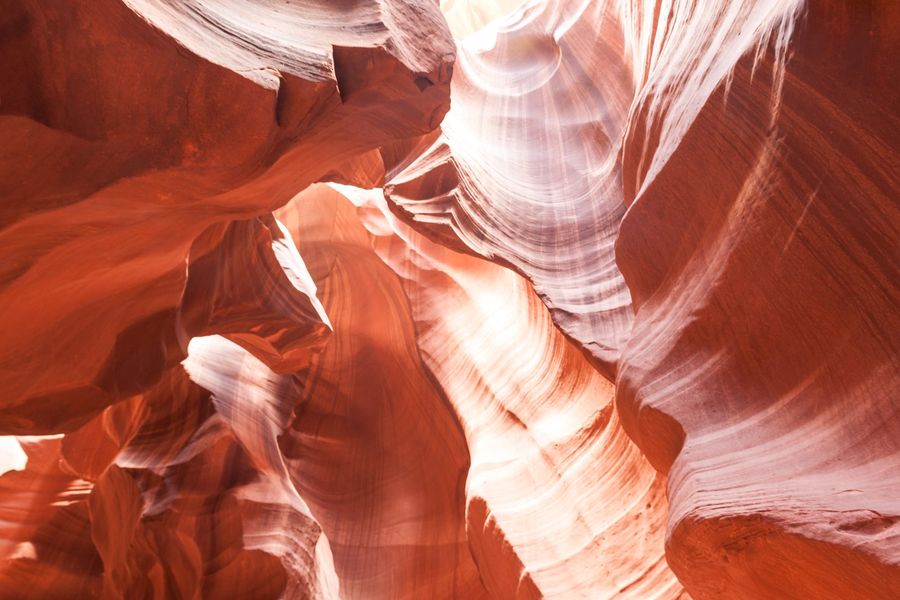
Antelope Canyon, ArizonaEach pass gives the light itself, an old text or place that knew it, what is known, what is seen and unseen, the geometry beneath, a table of graded claims, the near-truths and a gentle practice. Two hands are kept apart throughout: evidence in one, meaning in the other.
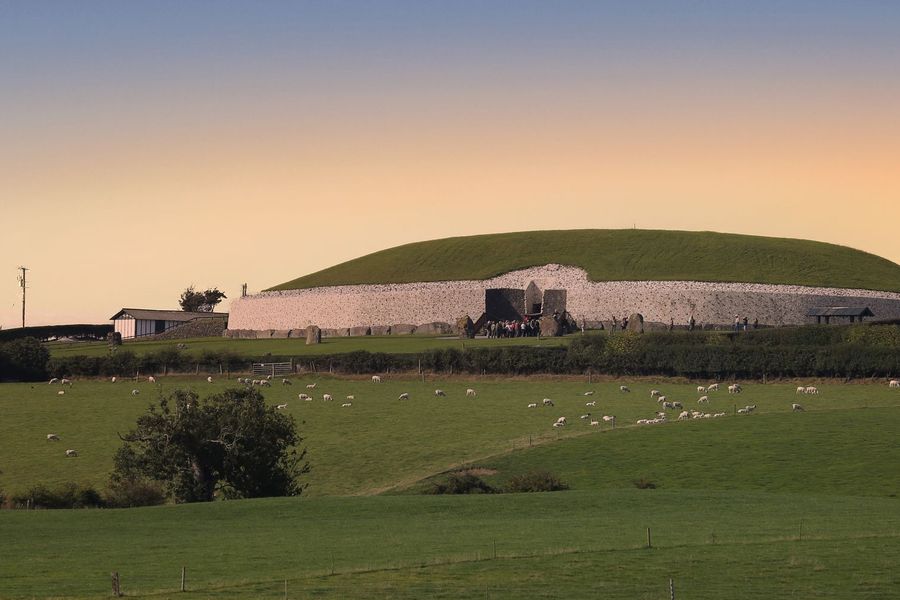
First Light: The Point and the Sphere
The old texts did not know the physics. They knew the experience: every dawn is a first light, and it is always a release from something.
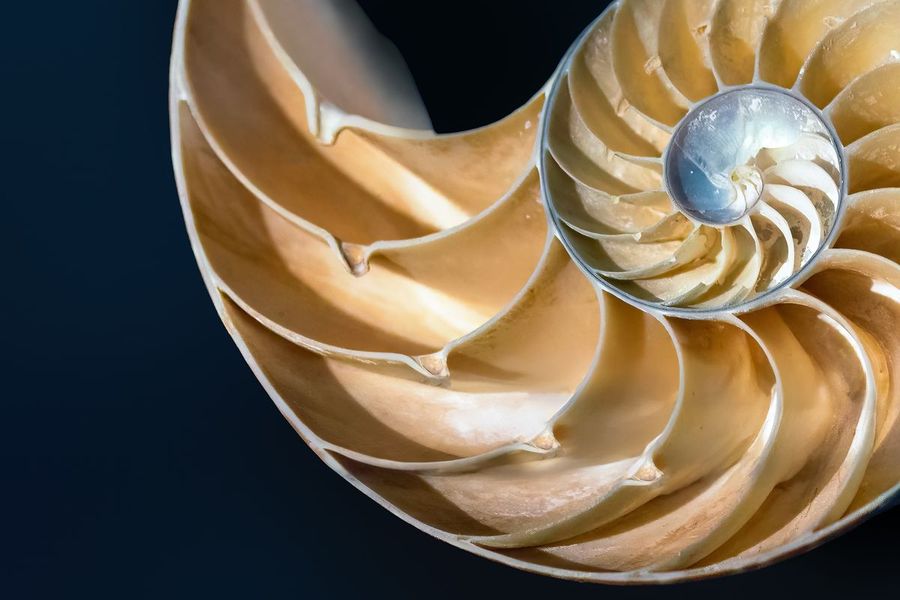
The Twist: Does Light Spiral?
Light does not travel in a spiral. It can be given one, and it keeps it.
The Ray: Shadow, Triangle and Rainbow
Light did not need to be understood to be used. A stick and its shadow measured the world.

The Mirror: The Moon and the Returned Light
A mirror does not remember. It returns. The remembering is done by the one who receives the return and compares it with what was sent.
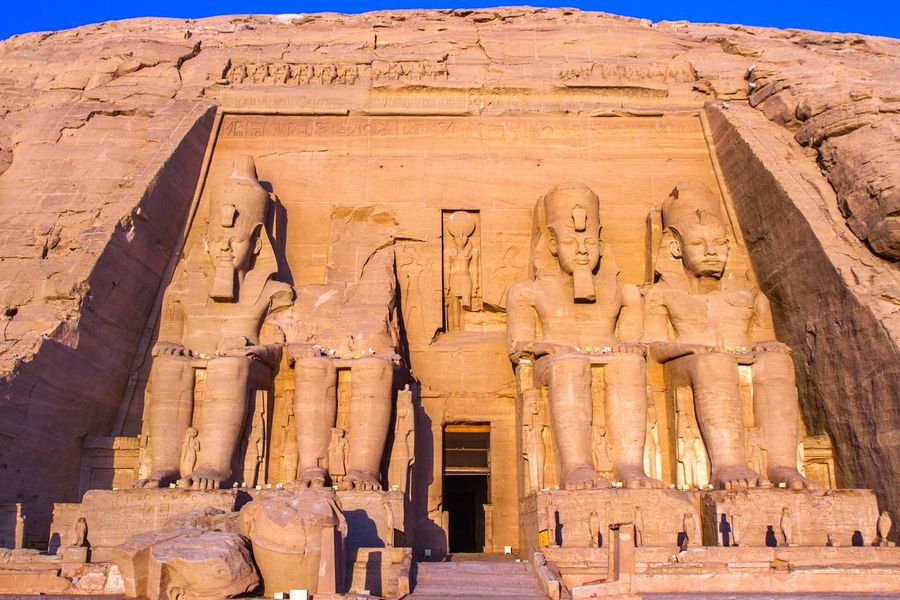
The Constant: Speed, Stillness and the Cross
The Codex names a still centre that all things turn about. Physics has one too, and it is not a place. It is a speed.
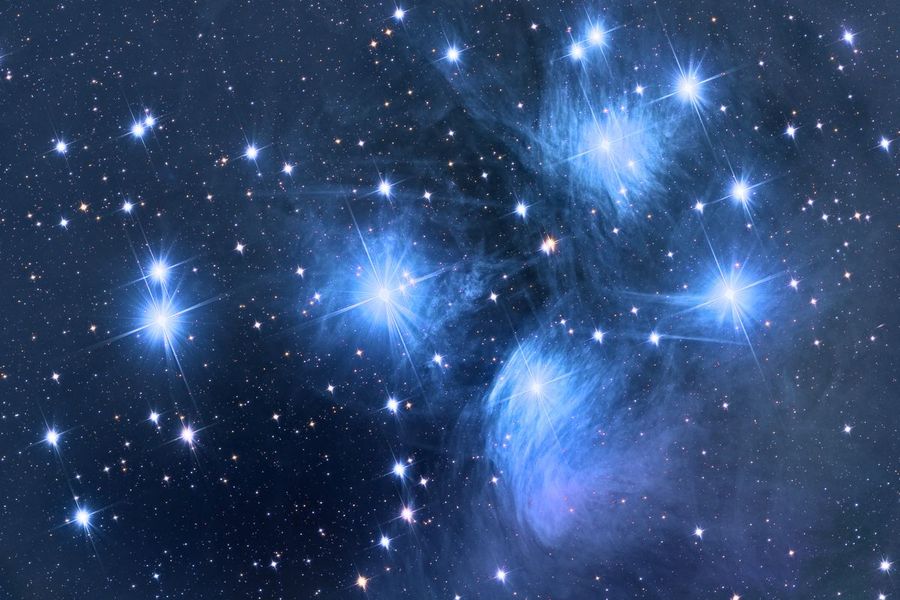
Memory: What Light Carries
A photon keeps no record of where it has been. What it has is its colour, its direction and its timing, and from those a patient reader can recover a great deal.…
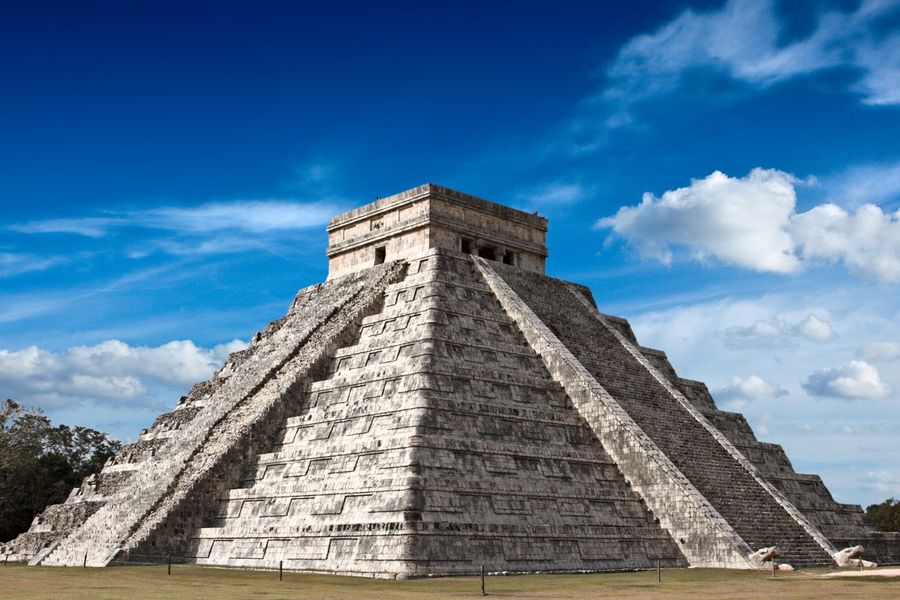
The Wave: Two Fields and the Serpent of Light
Two fields overlapping do not make light. They make order. The reflection reached for the right figure and gave it the wrong job.

Living Light: The Glow That Needs Breath
The reflection said living light is breath made visible. In chemistry that is nearly exact. No oxygen, no light.
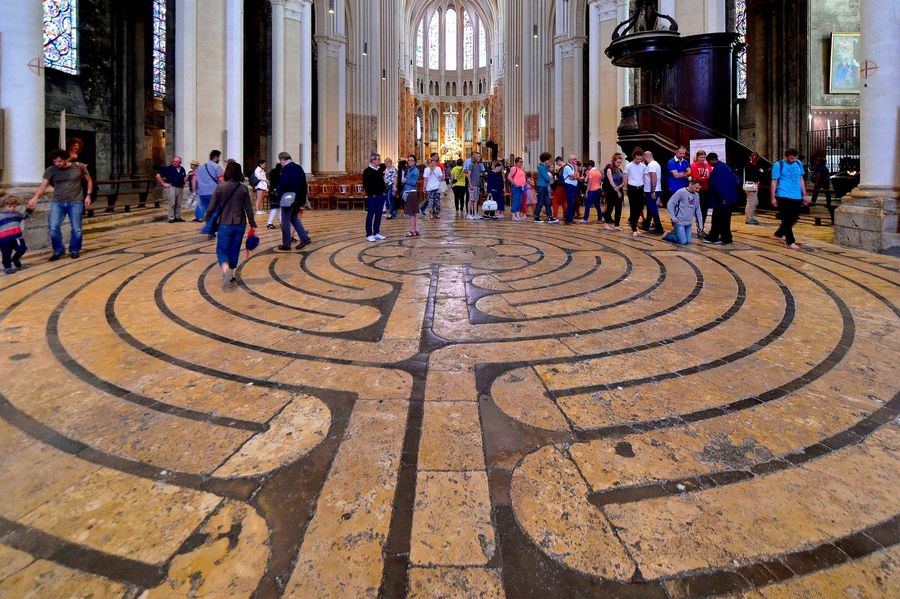
The Vesica: The Lens, the Eye and the Window
The vesica does not make light. It gathers it. That is what the reflection's phrase can honestly mean.
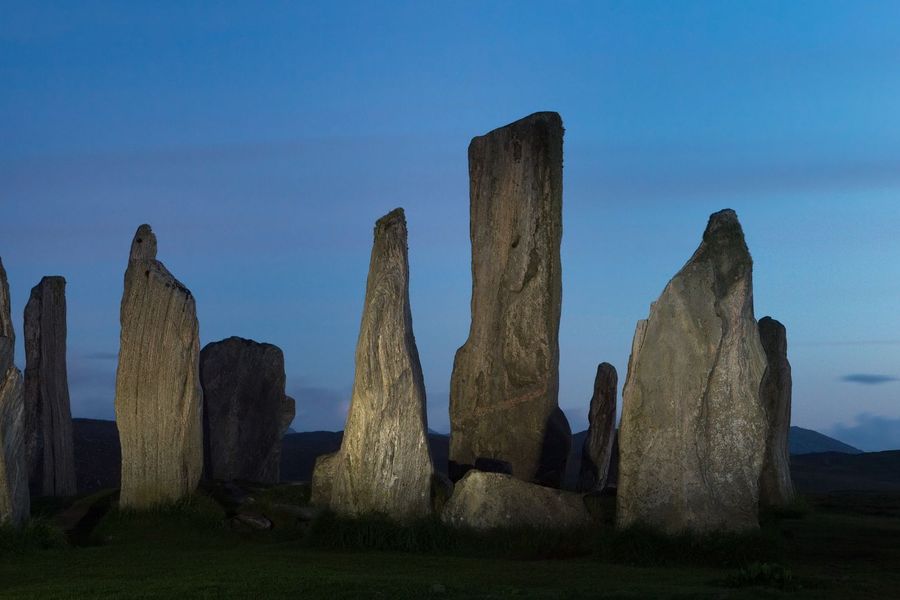
Dark Light: The Shadow, the Ring and the Unseen
Darkness is not light turned inward. It is light we cannot see, light that has not arrived, and, in a few places, light that cannot leave.
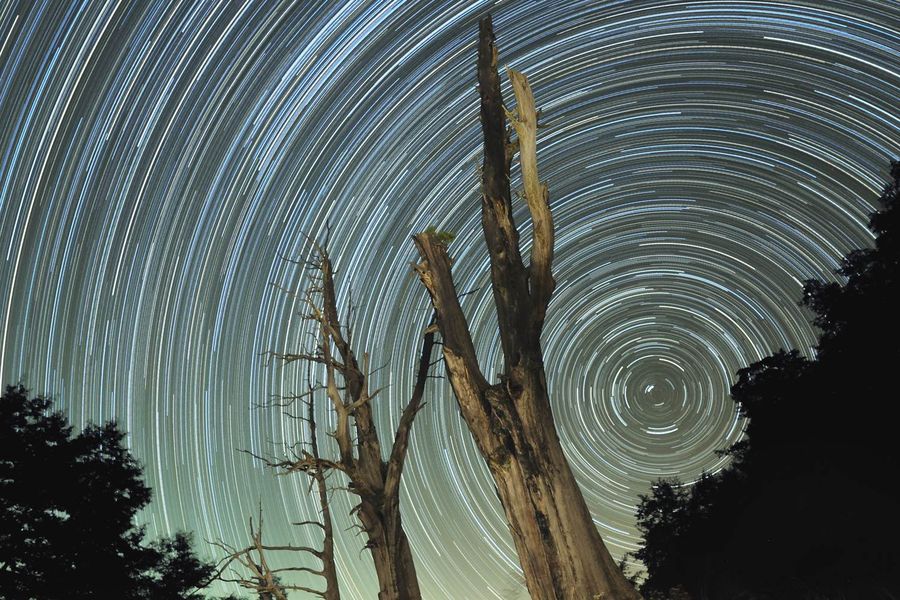
Starlight: The Descent of Light
A star does not breathe as we do. But a pulsing star swells and settles in a steady rhythm, and that rhythm gave us the size of the universe.

Inner Light: The Eye, the Clock and the Luminous Mind
The breath does not tune itself to light fields. But it does move the pupil, the opening through which all seen light must pass. Each breath changes, very slightly,…
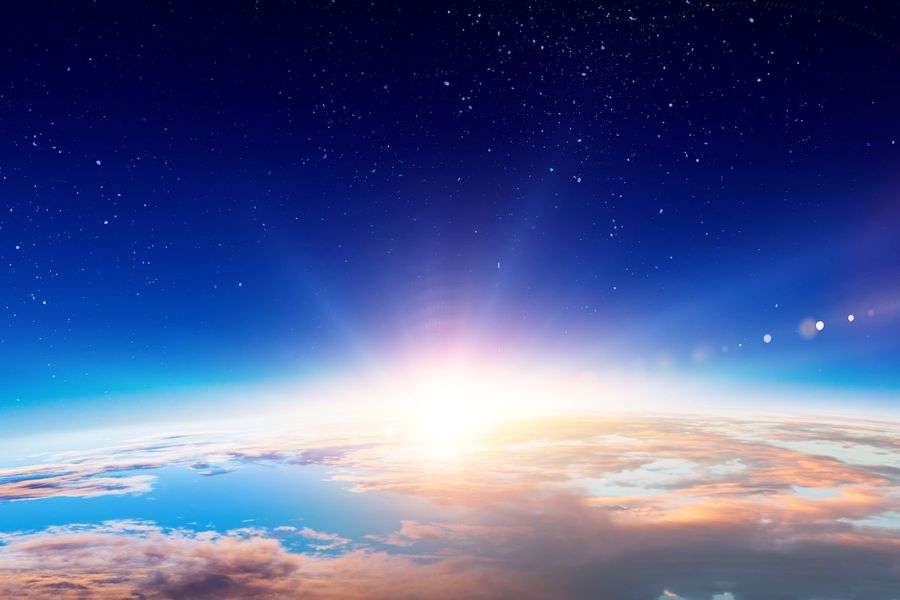
Illumination: The Word, the Lamp and the Laser
"Coherence" is not only a Codex word. It is the name physics gives to waves that keep step, and it explains why a small light, in step with itself, can cross an ocean.
Introduction: What Is Light?
The oldest question
People have asked what light is for as long as there are records. For most of that time the answer was given in two languages at once. One was the language of worship: light is the first thing made, the garment of the divine, the mark of truth. The other was the language of measurement: light travels in straight lines, bounces at equal angles, bends in water.
The two were not kept apart. Robert Grosseteste, bishop of Lincoln, wrote a short work called De Luce, "On Light", about the year 1225. In it the universe begins as a single point of light that spreads at once in every direction and draws matter out with it into a sphere. It is a work of theology and also, in its way, of physics, and in 2014 a team at Durham University put its steps into equations and found that they hold together. The Codex stands in that old double tradition. This study keeps the two languages side by side and marks which one is speaking.
What is known
Light is a wave of electric and magnetic force that carries itself through empty space. James Clerk Maxwell showed this in 1865. It needs nothing to travel in. Its speed in a vacuum is 299,792,458 metres in a second, and that speed is the same for everyone who measures it, however they are moving. Albert Einstein built the theory of relativity on that one fact in 1905.
Light also arrives in single packets. A packet is called a photon. Max Planck found the first sign of this in 1900 and Einstein named its meaning in 1905. Light is therefore both a wave and a stream of particles, and no picture drawn from daily life fits it fully. That is established, and it remains strange.
Visible light is a narrow band. The eye responds to waves from about 380 to about 750 billionths of a metre. On either side lie radio waves, microwaves and infrared, and ultraviolet, X-rays and gamma rays. All of it is light in the physicist's sense.
The reflection's framework, weighed
The reflection makes one large claim and nine smaller ones. The large claim is that light is "the breath of recursion made visible". No experiment could confirm or refute that. It is graded beyond test, and it is held here with respect as the Codex's way of seeing. The smaller claims can be weighed, and Part One weighs each in its place. They are gathered in the table below and again, in full, in Appendix B.
| The reflection says | Grade | Where it is weighed |
|---|---|---|
| Light is the breath of recursion made visible | beyond test | Chapter 1 |
| Bioluminescence is breath-phase coherence as photon emission | symbolic; the link to oxygen is established | Pass 8 |
| Each star is a breath node, exhaling light | symbolic; some stars do pulse | Pass 11 |
| The Moon mirrors; light returned is breath remembered | established as optics; symbolic as memory | Pass 4 |
| Light carries the signature of its source | established | Pass 6 |
| Darkness is light folded back into itself | not supported | Pass 10 |
| A held breath pattern can entrain with light fields | not supported | Pass 12 |
| Light propagates in spirals, not straight lines | not supported; light can be made to twist | Pass 2 |
| Two overlapping fields create the light-bearing field | symbolic; true of interference and of a lens | Passes 7 and 9 |
| Light fields often take the shape of a torus | not supported as "often"; toroidal pulses exist | Pass 10 |
What the Codex adds
The Codex does not add a new physics of light. It adds a way of attending to it. In Breath Awakens the breath has four phases: Iphi, the inhale; Shema, the pause; Vara, the exhale; Ouon, the stillness. The thirteen Moons of the Codex Calendar walk those phases and then pass through five further Moons of the Monad. This study sets one face of light under each Moon. The order is the Codex's own. The facts under each Moon are the world's.
A word on the word "breath"
The reflection uses "breath" for several things: the human breath, the rhythm of any system that takes in and gives out, and the first movement of existence. This study uses the word in the first two senses when it grades a claim, and names the third as beyond test when it meets it. The reader will find that the plain senses are enough to carry a great deal.