The Codex stands on four pillars: time, stone, sound and symbol. The Monad Codex is the still centre they stand around. Light is none of the five. It is what passes through the centre and is received on the four.
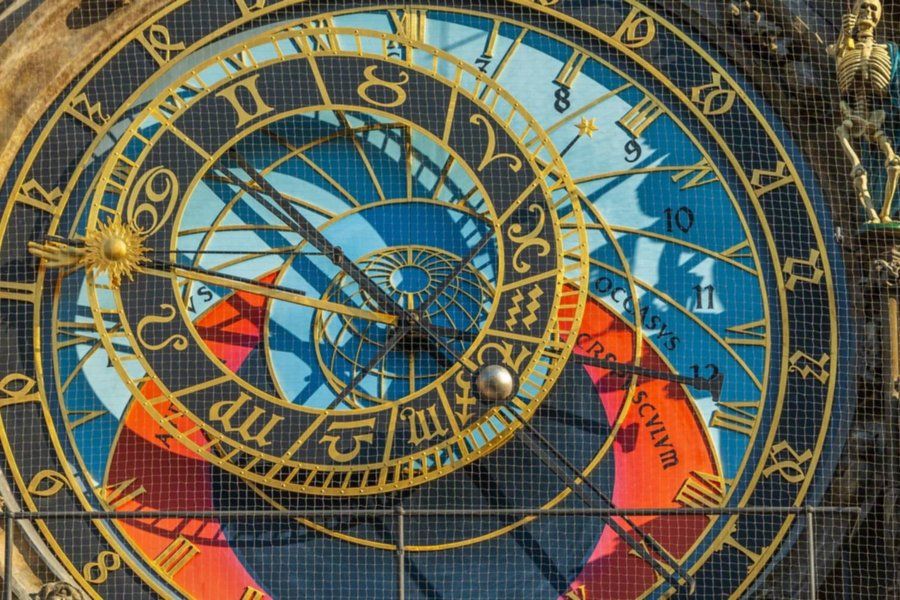
The Codex Calendar
A day and a year are cycles of light. Every calendar began as a watch kept on sunrise, shadow and Moon, and today the second and the metre are themselves defined by light.
Light received here becomes: a count of days.
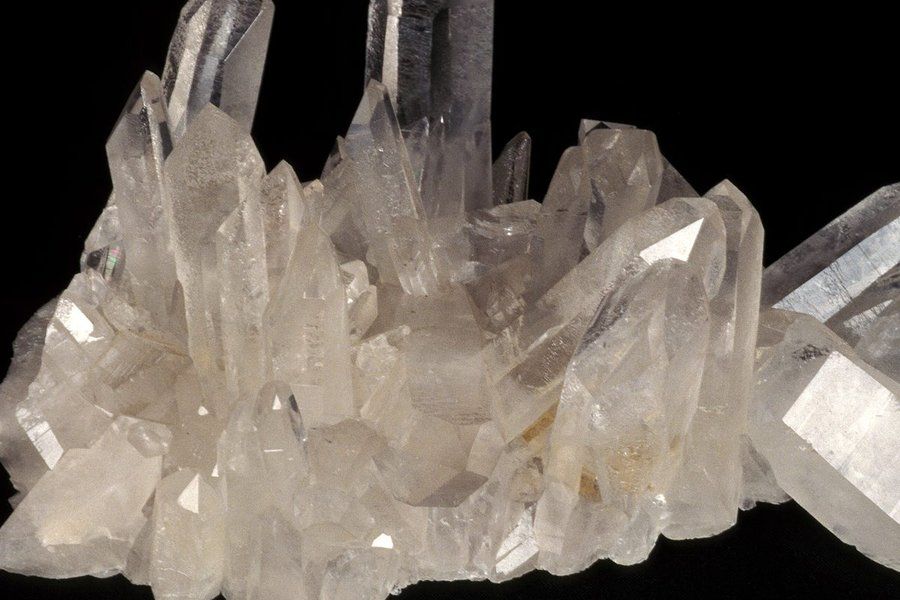
Codex Crystals
A stone's colour is the light it declines. A crystal bends, splits and colours light, and the first lenses and prisms were stones.
Light received here becomes: a colour in a stone.

The Monad Codex
Nothing is allowed to sit at the centre. It is empty the way the pupil of an eye is empty: so that light can pass through.
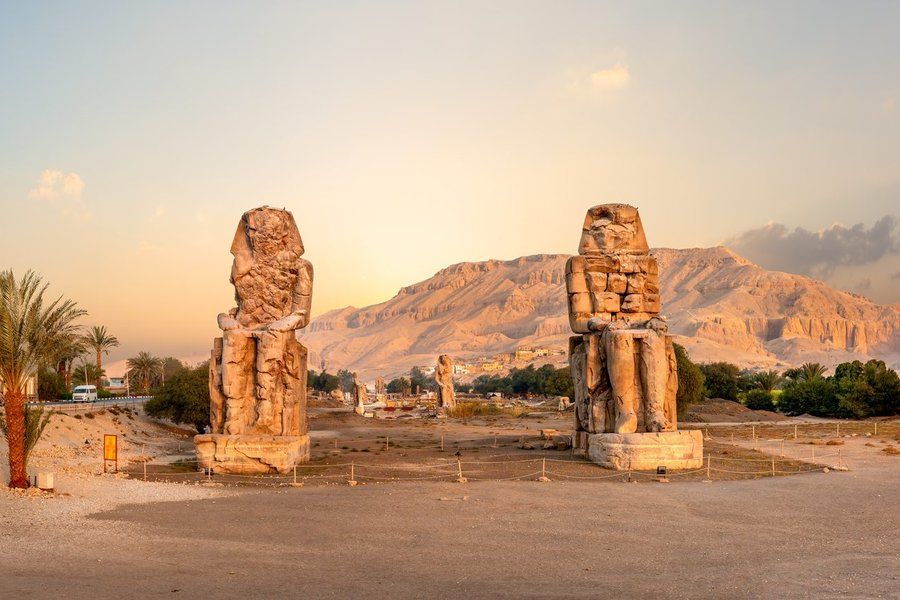
Codex Sounds
Sound is heard in the dark, and in experience it owes light nothing. Yet sound and light are both waves, both have octaves, and both can keep step.
Light received here becomes: a rhythm kept in step.
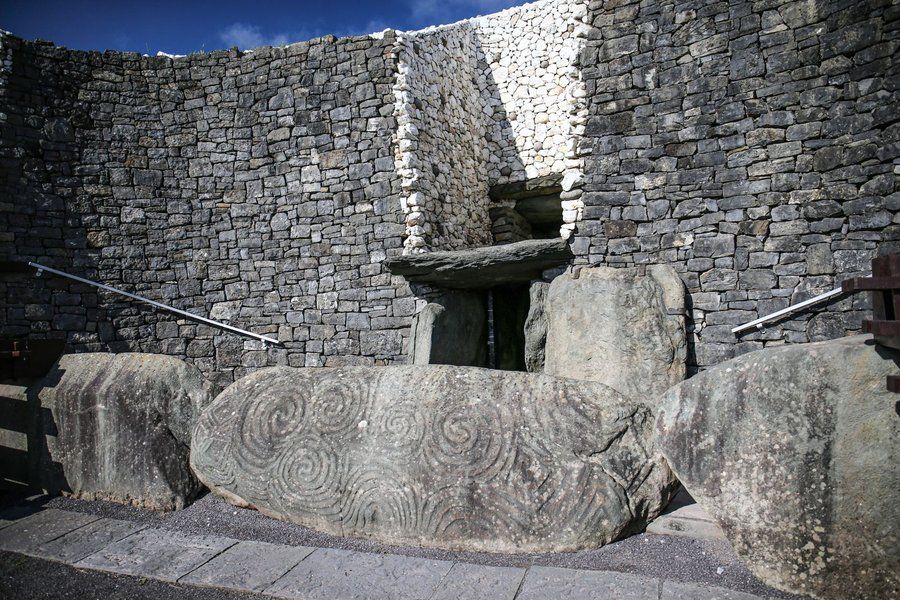
The Codex of Symbols
A symbol is shaped light arriving at an eye. A sign carved in stone waits for the Sun to read it, as the spiral at Chaco waits for its blade of light.
Light received here becomes: a sign that can be read.
How they work together
Each pillar is a surface. The same light falls on all four and becomes four different things: a count of days, a colour in a stone, a rhythm kept in step, a sign that can be read. What it becomes is decided by the surface, not by the light.
A person stands at the edge of each pillar, and at that edge a third thing is made that belongs to neither. This is the figure One Breath, Read Whole found beneath every work of the Codex: a centre kept empty, two that face each other, and a third between them. The breath moves through it in four phases. To identify is to find the centre. To accept is to let the other stand. To embrace is to enter the shared space. To let go is to leave the third free.
So the five sites are one figure seen from five places. The Calendar tells you where you are in the light. The Crystals and the Symbols show what light does when it meets a form. The Sounds keep the same order where no light is needed. The Monad keeps the centre open. And this site follows what passes between them.
Each pillar, seen by light
| Pillar | Its meeting with light | Pass |
|---|---|---|
| Time | Every calendar began as a watch kept on sunrise, shadow and Moon | 1, 3, 4, 5 |
| Stone | A crystal bends, splits and colours light; the first lenses and prisms were stones | 3, 9 |
| Sound | Sound and light are both waves; both have octaves; both can be coherent | 7, 13 |
| Symbol | A symbol is a shape that light carries to an eye | 9, 13 |
Three cautions that belong with it
- Sight is not required. What runs through all four pillars is receiving: by eye, ear, skin or hand. Light is the part of that receiving we happen to see by.
- Dark is not lesser. The centre of the Codex is dark and still, and that is where the faintest light is received.
- A centre can be kept too tightly. Make a pinhole smaller and its image grows sharper, until the hole is so small that the image blurs again.
This is a reading. Its grade is symbolic, and the author's own, with three exact supports: the pupil of the eye, the depth made by two eyes, and the rainbow that lives in neither air nor water.